Sustainable Travel Guide: Argentina
29
Jan
Sustainable Travel Guide: Argentina
In this sustainable travel guide, we’ll take a closer look at what makes Argentina such a fascinating destination and how to visit this country responsibly. You’ll learn how Argentina approaches tourism through the lens of key sustainability pillars and get practical advice on health and safety tips, local holidays, and seasonal travel. We’ll also share dos and don’ts for responsible travel, highlight eco-friendly activities, and suggest curated trips to help you experience Argentina authentically.
Sustainable Travel in Argentina: Key Sustainability Pillars
Environmental
As the second-largest country in South America and the eighth-largest in the world, Argentina is a land full of contrasts. It's hard for travelers to believe that frozen tundras with historic glaciers, towering mountain peaks, seemingly endless grasslands, and lush subtropical jungles with powerful waterfalls can all be found within Argentina’s borders.
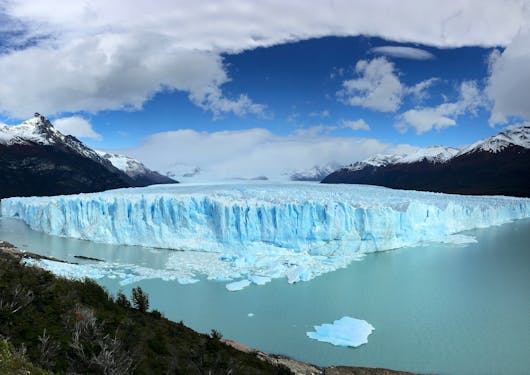
The iconic Patagonia region, shared with Chile, features the most dramatic Andean landscapes and world-famous glacial landscapes, such as Los Glaciares National Park. Visitors can hike, kayak, or take boat tours to experience this icy wilderness up close, including the massive igloo-sized icebergs known to tumble off the glaciers and crash into the waters below. Sustainable tourism is crucial here to protect these delicate ecosystems and to minimize our environmental impact. After years of stability, the Perito Moreno Glacier is showing signs of retreat, and this fragility and sensitivity are reminders to all who visit to respect the strict protocols in place.
Heading north along the Andes, Mendoza, the world capital of Malbec, offers more than just an excellent glass of wine. On top of family-run vineyard tours and tastings, you can also spend your days mountaineering on snow-capped peaks, trekking around glacial lakes, and on other mountain excursions.
Moving inland, you’ll experience the Pampas, Argentina’s vast grasslands, stretching across the country’s central plains. These fertile plains have been the agricultural heart of Argentina’s beef industry for years, thanks to its iconic cattle ranches, called estancias. A trip to the Pampas is not complete without a visit to the Latin cowboys, known as gauchos, to experience their prairie lifestyle and unique traditional culture.
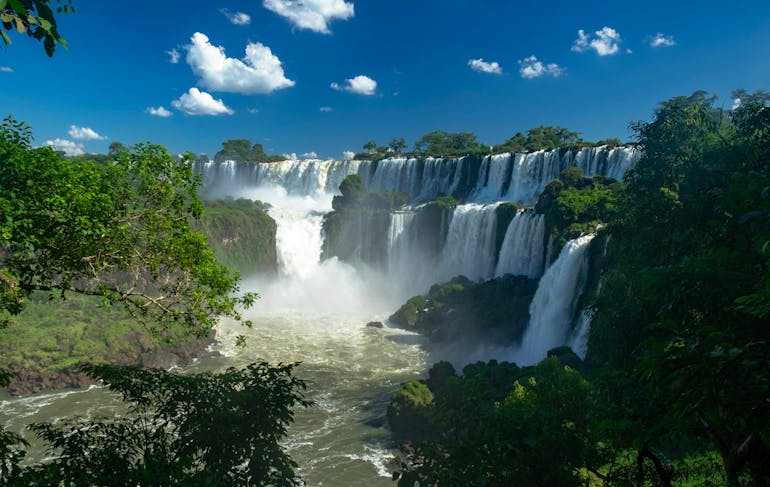
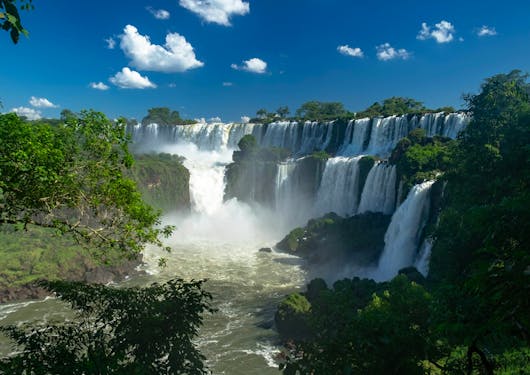
And finally, finishing off on the northeast corner of Argentina, Iguazú Falls waits to take your breath away with over 270 waterfalls. Known as one of the world’s grandest, most impressive waterfalls, Iguazú has earned the title of one of the Seven Wonders of the Natural World and attracts hundreds of thousands of visitors from around the world each year. The park's eco-train and elevated trails reduce environmental impact, while educational programs highlight local wildlife and rainforest conservation. During your visit, take your chances to catch a glimpse of butterflies, rare species, and tropical birds that call this paradise home.
Economic
Thanks to Argentina’s large central plains, agriculture (including beef, cattle ranching, and grain exports) has historically been the center of the economy. In recent years, other sectors, like mining and tourism, have started to expand and diversify the economy.
The tourism industry's growth has not been without its challenges, including the Covid-19 pandemic, which left a lasting impact on Argentina. Tourism alone experienced nearly a 40% drop in financial loss, “jeopardiz[ing] nearly 600,000 jobs”. Thankfully, in 2025, the country came close to reaching its pre-pandemic numbers.
The World Travel and Tourism Council estimates that in 2025, “Argentina's travel and tourism sector will contribute nearly $39 billion to the national GDP, equivalent to 6% of the country's total economy.” Tourism alone will employ over 1 million people, supporting nearly 8% of national employment.
Since 2024, the Organisation for Economic Co-operation and Development has noted a strong economic recovery thanks to ambitious reforms that are starting to pay off, albeit with some trade-offs. With agriculture still dominating Argentina’s economy, the country has experienced 81% of tree cover loss since 2001 from clearing land for cattle or soya bean cultivation to feed cattle.
One way tourists can help combat these negative impacts is to contribute to the local economy by investing their money in local businesses and experiences. You don’t necessarily need to “spend more”; rather, ensure you’re supporting the local areas by avoiding large hotel chains, mass-produced souvenirs, and international restaurants. Instead, focus your tourism money on boutique hotels, authentic souvenirs, and local restaurants; all are relatively easy actions that can combine to enhance your experience and contribute positively to this beautiful country.
Sociocultural
Argentina’s cultural identity is a fascinating blend of Indigenous roots and European influences, seen in everything from its architecture and cuisine to its music and traditions.
Over 46 million people call Argentina home, making it the second-most populous country in South America. While roughly 97% of Argentines are of European descent (primarily Spanish and Italian), more than 1.3 million people identify as Indigenous or descendants of Indigenous peoples, according to the 2022 National Census. The largest groups include the Mapuche, Kolla, Wichí, Qom, and Guaraní communities, each with its own languages, traditions, and ancestral lands.
You can truly notice Argentina’s European roots as you walk along the streets of Buenos Aires, often referred to as the “Paris of South America”. Spending a day strolling along grand boulevards, passing art nouveau, European-inspired buildings, and cafes on every corner, it's very easy to forget you’re in South America instead of France. However, stepping outside of this cosmopolitan hub will give you a different view of Argentine culture.
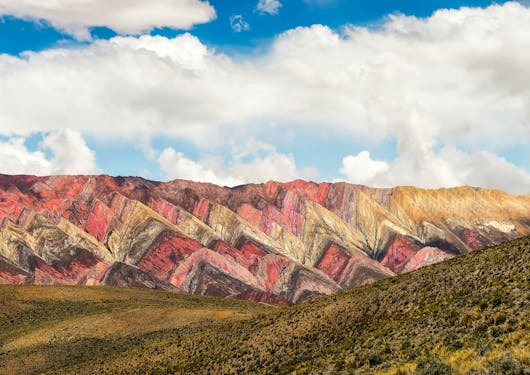
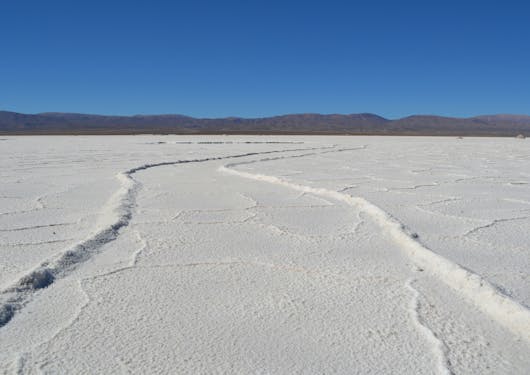
In contrast, the northwest provinces, like Salta and Jujuy, showcase vibrant Andean traditions through colorful markets, folk music, and Indigenous festivals like the Pachamama celebration honoring Mother Earth. These provinces are also where you will find the eye-catching Serranía de Hornocal (the 'fourteen colored mountain') and the Salinas Grandes, an expansive landscape of white salt flats.
As mentioned earlier, the Pampas region inland reveals Argentina’s rural life and gaucho heritage, with cattle ranching and horseback riding.
Argentina is recognized as one of Latin America’s most progressive nations. It was the first country in Latin America to legalize same-sex marriage (in 2010) and remains a leader in gender equality and reproductive rights. Still, economic instability and high poverty rates impact over 30% of the population, disproportionately affecting Indigenous and rural communities.
For tourists, understanding the diverse cultural experiences in Argentina will lead to a more authentic and meaningful visit. Although many travelers are drawn here to experience its natural beauty, adding cultural experiences such as visiting Indigenous cooperatives in the Andean region or joining a traditional peña (folk music gathering) in Salta will deepen your understanding and appreciation of all Argentina has to offer.
Everything Else
Healthcare
As with any international trip, it's wise to check with your doctor to ensure you’re up to date with routine vaccinations. Additionally, the Centers for Disease Control and Prevention (CDC) recommends hepatitis A, typhoid, and yellow fever vaccinations depending on the regions you’ll visit during your stay.
Mosquito-borne illnesses, including Zika and dengue, are also very present in Argentina, and the best prevention is to use mosquito repellent regularly and wear loose-fitted clothing. There have also been cases of Hantavirus, an infection spread from rodents. Protect yourself by avoiding contact with rodents, burrows, nests, and don’t rest in tall grasses or haystacks.
In case you need medical attention, Argentina’s major cities, such as Buenos Aires and Córdoba, have high-quality private hospitals. If you’re exploring remote areas, planning on hiking, or trying other adventurous activities, ensure you bring travel insurance that covers medical evacuation.
Safety
Argentina is generally safe for all travelers; however, following general safety best practices is always a good idea. Avoid poorly lit or isolated areas after dark (especially in large cities), keep valuables secure, and stay alert for pickpockets in crowded places are small ways to stay safe during your travels. Overall, Argentina is listed as Level 1 (exercise normal safety precautions) for many government travel advisories, including the USA, Australia, and Canada. It’s one of the only South American countries to hold this safety level rating, based on its political stability, local laws and enforcement, and crime rates.
Seasonal
Due to Argentina’s large landmass, its geography spans many different climate zones, so the weather varies greatly depending on the region. This diversity in landscapes and scenery is part of what makes Argentina such an exciting destination! Generally, its seasons are:
Summer (December–March): This is considered the high season, specifically December and January, in many regions. Patagonia and other outdoor activities are more accessible, and you can expect warm days and long daylight.
Autumn (March–May) & Spring (September–November): These are excellent times to visit major cities and the wine country. Shoulder season often brings comfortable weather and fewer crowds. Easter is a popular travel period throughout the country; expect prices and crowds to rise during this time.
Winter (June–August): The coolest months of the year are ideal for skiing in the Andes, but some southern destinations, such as Southern Patagonia, can be inaccessible due to ice and snow. Northern Patagonia usually remains open, and this is one of the best periods for big-cat spottings, such as the puma.
Depending on your focus (city breaks, hiking, wildlife, or wine), you’ll want to match your travel dates accordingly for the best experience and lowest environmental impact.

Holidays
Argentina’s calendar is full of national and religious holidays that celebrate its cultural pride and spirit. Traveling during one of these events can give visitors an authentic glimpse into Argentine life, from patriotic parades and traditional music to colorful street celebrations and family gatherings.
Argentina’s Independence Day takes place on July 9th and commemorates the signing of the Declaration of Independence from Spain in 1816. It’s one of the most important national holidays, celebrated with parades, concerts, and folk performances across the country. You’ll find large gatherings with the national flag flying proudly, and locals enjoying traditional foods like empanadas tucumanas filled with knife-cut beef, onions, and spices, and locro, a hearty stew made with corn and meat. Many towns also host peñas folklóricas, informal folk music gatherings where people dance the chacarera and celebrate late into the night.
In February or March (the exact dates vary from year to year), many countries around the world celebrate Carnival. In Argentina, it's an explosion of music, dance, and color that marks the days before Lent. The most famous Carnival celebrations in Argentina take place in the northern provinces, particularly in Gualeguaychú and Jujuy. In Gualeguaychú, samba schools parade through the streets in elaborate costumes, similar to Rio de Janeiro’s festivities in Brazil. Meanwhile, in Jujuy, the Carnaval de la Quebrada de Humahuaca blends Indigenous Andean traditions with Spanish Catholic influences. Expect drums, masks, and symbolic rituals like the “unearthing of the devil,” representing the release of joyful chaos before Lent begins.
Being a predominantly Catholic country, Argentina takes Easter very seriously. Holy Week (Semana Santa) is marked by processions, reenactments of the Passion of Christ, and special church services throughout the country. Don’t miss trying a rosca de Pascua, a sweet bread ring topped with custard and candied fruit. Keep in mind that Easter is also a time for family gatherings, so expect many shops to be closed.
Whether you visit during a lively celebration like Carnival or a quieter one like Easter, remember that during major holidays, transportation and accommodation can book up fast, so plan ahead and embrace the festive spirit respectfully and responsibly.

Sustainable Travel in Argentina: Dos and Don’ts
What to do in Argentina:
- Support the local economy by buying from artisan markets, independent shops, or family-owned restaurants instead of large chains.
- Look for ferias artesanales (craft fairs) to purchase authentic handmade goods.
- Bring proper sun protection (reef-safe sunscreen, a hat, and sunglasses), especially if visiting Patagonia or northern regions.
- Prepare properly for Patagonia’s unpredictable weather and conditions when hiking or camping, and always check local safety updates.
- In high-altitude areas like Jujuy or Salta (above 2,500 m), acclimate gradually, avoid alcohol or strenuous activity for the first day, and take rest days as you ascend.
- Use ATMs in secure areas (such as inside malls or banks) and always be mindful of your belongings. “Motochorros” — robberies by thieves on motorbikes — can occur in urban areas, so stay alert.
- Expect to eat dinner late — locals typically dine after 9 p.m.
- Learn a few Spanish phrases to connect with locals and show respect.
- In remote regions, where waste management is limited, bring back your rubbish and avoid single-use plastics like bags and utensils.
- Carry a reusable water bottle to reduce waste.
- Follow national park guidelines: they protect you, the environment, and the wildlife that call it home.
- Bring some local currency (Argentine pesos) or US dollars, as credit-card acceptance can vary.
- Dress modestly when visiting religious sites and Indigenous communities.
- Carry a photocopy of your passport, and keep the original in your hotel safe.
- Plan extra travel time; public transportation can be delayed, particularly outside major cities.
- Keep your car doors locked and windows closed while driving; there have been reports of thieves targeting vehicles stopped at traffic lights.
- Whenever possible, use long-distance buses or trains instead of domestic flights to reduce your carbon footprint.
- Consult your doctor before traveling, and pack essentials like insect repellent and basic medication.
What NOT to do in Argentina:
- Don’t overcrowd your itinerary — Argentina is a large country, and travel distances are long. Focus on a few regions instead of trying to “see it all.”
- Don’t photograph Indigenous ceremonies or locals without permission.
- Don’t walk on glaciers (such as Perito Moreno) without a licensed guide — conditions can be dangerous, and glaciers are highly regulated.
- Don’t engage in animal attractions such as holding exotic birds or taking photos with wild cats — choose ethical wildlife experiences instead.
- Never wander off-trail in national parks. Stay on marked paths and follow the Leave No Trace principles to protect the land and endemic species.
- Don’t waste water. Mining and agricultural activities have strained clean-water resources in some regions, especially in the northwest.
- Do not ignore signage about forest-fire risks. Wildfires are increasing, particularly during the dry season, so respect local safety guidelines.
- Don’t leave valuables visible on buses, taxis, or the subway (subte), and stay alert in crowded areas to avoid pickpockets.
- Avoid demonstrations or political gatherings, which can occur frequently in major cities.
Sustainable Travel Activities in Argentina
Visit Iguazú Falls
The famous Iguazú Falls attracts visitors from all over the world. With over 270 cascades, Igazú is one of the world's most spectacular natural wonders. How can you ensure your visit to such an important natural site remains sustainable? Here are a few suggestions:
- Take the “Ecological Train” for sustainable access to the falls. This is part of the park’s effort to invest in eco-friendly infrastructure.
- Learn about the park’s wildlife, geology, and history through educational opportunities offered to visitors, like guided park tours or hands-on learning activities.
- Extend your visit to explore more of the park and avoid coming just for the “photo op”. You can explore the scenic trails weaving through the surrounding rainforest, which hosts over 2,000 plant species and 450 bird species, or visit local communities such as Jasy Porã Village to learn more about customs, traditions, and the spiritual connection to nature.
Be sure to always choose a tour that follows strict environmental guidelines, supports the local ecosystem, reduces visitor impact, and helps fund conservation efforts in the protected area.
Our Ice Fields to Waterfalls: Argentina’s Stunning Contrast tour offers a chance to enjoy the falls as well as explore the communities nearby. With two full days out of this 10-day adventure dedicated to visiting the Iguazú Falls and the surrounding area, your local guide will show you more about the park’s biodiversity and cultural richness than a quick day trip can.
Go Wine Tasting
Wine tasting in Argentina is more than just sipping a glass of Malbec; it's a journey through dramatic landscapes and a peek into local traditions. The country is the fifth-largest wine producer in the world, and Mendoza, at the foothills of the Andes, accounts for nearly 70% of Argentina’s vineyards.
With the snow-capped Andes as a backdrop, many wineries are family-run estates that have been passed down for generations. Visiting these vineyards supports the local economy, encourages responsible land use, and connects you with the cultural heritage of wine-making in Argentina.
On our Argentina Wineries and Wilderness tour, travellers experience multiple wine excursions, including a winery tour in Luján de Cuyo and a wine excursion in the Uco Valley. Perfect for both wine and culinary enthusiasts, the tour is topped off with a chance to blend your own vintage Malbec and a hands-on cooking class featuring regional Mendocinian cuisine.
Related Trips


Take a Tango Class
No trip to Argentina is complete without experiencing tango, the passionate dance that was born in Buenos Aires’ working-class neighborhoods in the late 19th century! What began as a fusion of African, European, and local influences has since evolved into a vibrant symbol of Argentine identity and UNESCO-listed cultural heritage.
Taking a tango class with a local instructor or even attending an authentic tango show offers a cultural exchange that supports small, locally-run studios and preserves this traditional art form.
All of our Argentina trips include an element of this captivating dance, from enjoying a delicious Argentine dinner while watching a show, to participating in a lesson and learning some tango moves yourself!
Hike in Patagonia & See the Perito Moreno Glacier
Patagonia is one of the world’s last great wildernesses — a breathtaking region shared by Argentina and Chile that stretches from the windswept grasslands to icy glaciers and turquoise lakes. In Argentina, Los Glaciares National Park (a UNESCO World Heritage Site) is home to the famous Perito Moreno Glacier, one of the few active glaciers left in the world. Visitors can hike nearby trails, kayak across glacial lakes, or take a boat excursion for a closer view — all while learning about how climate change is reshaping this fragile ecosystem.
Responsible tourism is vital in Patagonia. Always stick to marked trails, avoid feeding or approaching wildlife, and support eco-lodges and local guides that follow Leave No Trace principles. The best operators limit group sizes, use renewable energy, and reinvest profits into local conservation and community projects.
We offer many opportunities to experience Patagonia up close responsibly. On our Argentine Patagonia for Adventure Lovers, you can walk on the Perito Moreno Glacier and discover El Chaltén, Argentina’s hiking capital. On our Wild Patagonia: Glaciers, Lakes & the End of the World tour, you can ride the iconic “End of the World” train and sail through the Iceberg Channel. Both tours are designed with sustainability in mind, and you’ll experience glacier trekking, national park hikes, and cultural exchanges with locals who call this remote, yet stunning, part of the world home.
Related Trips


Explore Colonial Cities and Inca Settlements
Northern Argentina presents a striking contrast to Patagonia’s icy landscapes, featuring vibrant mountains, colonial cities, and a rich Indigenous heritage. Towns like Salta and Humahuaca are known for their adobe architecture (which uses sun-dried bricks made of clay, sand, water, and straw to build structures), cobblestone streets, and centuries-old churches, reflecting a blend of Spanish colonial and Indigenous influences.
This region was once part of the Inca Empire, and today, many Indigenous communities continue to preserve ancient traditions, from weaving textiles with natural dyes to celebrating festivals rooted in Andean spirituality. Traveling here provides an opportunity to connect with Argentina’s history while supporting community-led tourism.
Our Colors and Cultures of Northern Argentina trip celebrates this diversity. Travelers discover ancient Andean culture in Salta and explore ancient ruins in Tilcara. You’ll also experience the rainbow hills of Humahuaca and El Hornocal as you travel around the northern states of Argentina.
Admire the Salinas Grandes
The Salinas Grandes are one of Argentina’s most visually striking landscapes — a vast expanse of white salt flats stretching across the high-altitude plains of northern Argentina between Jujuy and Salta. Visiting often feels otherworldly, with endless horizons, mirror-like reflections after rainfall, and a dramatic drive through the Andes that passes colourful rock formations and traditional villages along the way.
Tourism plays a crucial role in supporting local Indigenous communities, who have lived alongside the salt flats for generations. Many visits are led by local guides who share insight into traditional salt harvesting, the region’s geology, and the cultural significance of the Salinas. While visiting, remember to stay on designated paths, respect the fragile salt crust, and choose a tour that prioritizes local community-led experiences and environmental protection.
Meander Buenos Aires
You can’t pay a visit to Argentina without experiencing Buenos Aires. This city is best explored at a relaxed pace, where everyday life unfolds in colorful neighbourhoods, historic cafés, and lively plazas. From wandering the cobblestone streets of San Telmo to cycling through Palermo’s parks or lingering over a long meal, the city invites travellers to slow down and soak up its vibe. Cultural experiences like tango, food markets, and street art are some of the best examples of the city’s European past blended with Argentine traditions.
Walking tours, bike rentals, and public transit make it easy to explore sustainably with a low environmental footprint, while dining at family-run restaurants, shopping from local designers, and attending small-scale performances help keep tourism revenue within the community. Travellers can experience the city’s rich culture while contributing positively to daily life in Argentina’s vibrant, iconic capital.

Sustainable Destination
While Argentina has set ambitious sustainable goals for itself, including achieving net-zero carbon emissions by 2050 and ending and reversing deforestation by 2030, there is still a long way to go.
Climate Action Tracker lists Argentina’s policies and actions as “Critically insufficient,” meaning that they are not on track with the Paris Agreement and that more policies are needed to see real change within the country. According to their analysis, “to be consistent with limiting warming to 1.5°C, Argentina would also need to speed up the achievement of those measures, plus develop more ambitious policies, especially to stop deforestation, and reduce livestock-related emissions.”
Even though there have been some small successes, such as rewilding the Ibera Wetlands and the increase of green infrastructure in Buenos Aires, the journey is far from finished. Tourism growth has the potential to diversify the economy and bring positive change; however, sustainable tourism is needed more than ever before in Argentina to ensure that the natural resources do not continue to be strained.
As a visitor, your choices and actions matter. Choosing eco-certified accommodation, supporting locally-owned businesses, using public or bus transport instead of short flights, and respecting the natural environment are all ways to contribute to Argentina’s sustainability goals and to demonstrate that these sustainable alternatives are important to the global community.
Our trips are designed to show you the best the country has to offer, from the unmissable natural wonders to hidden cultural gems. We hope you have the chance to slow-travel through this unique country and enjoy its lively tango dance, rich heritage, wine and gastronomy, and, of course, its magnificent scenery!
This post may contain affiliate links. This means we may earn a small commission if you purchase a product from our link, at no additional cost to you. Any products on this list that we have tried were bought and not gifted or sponsored.